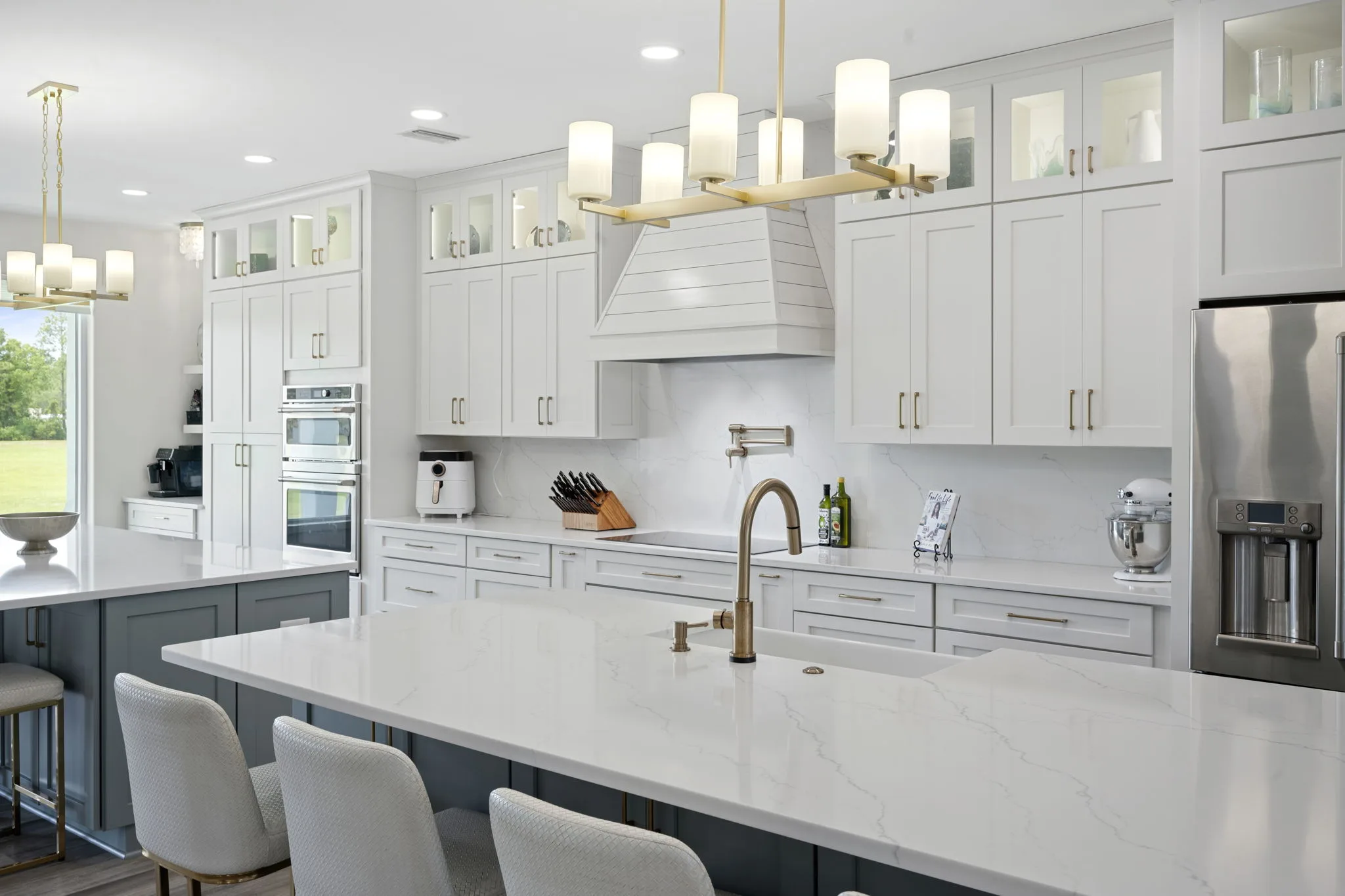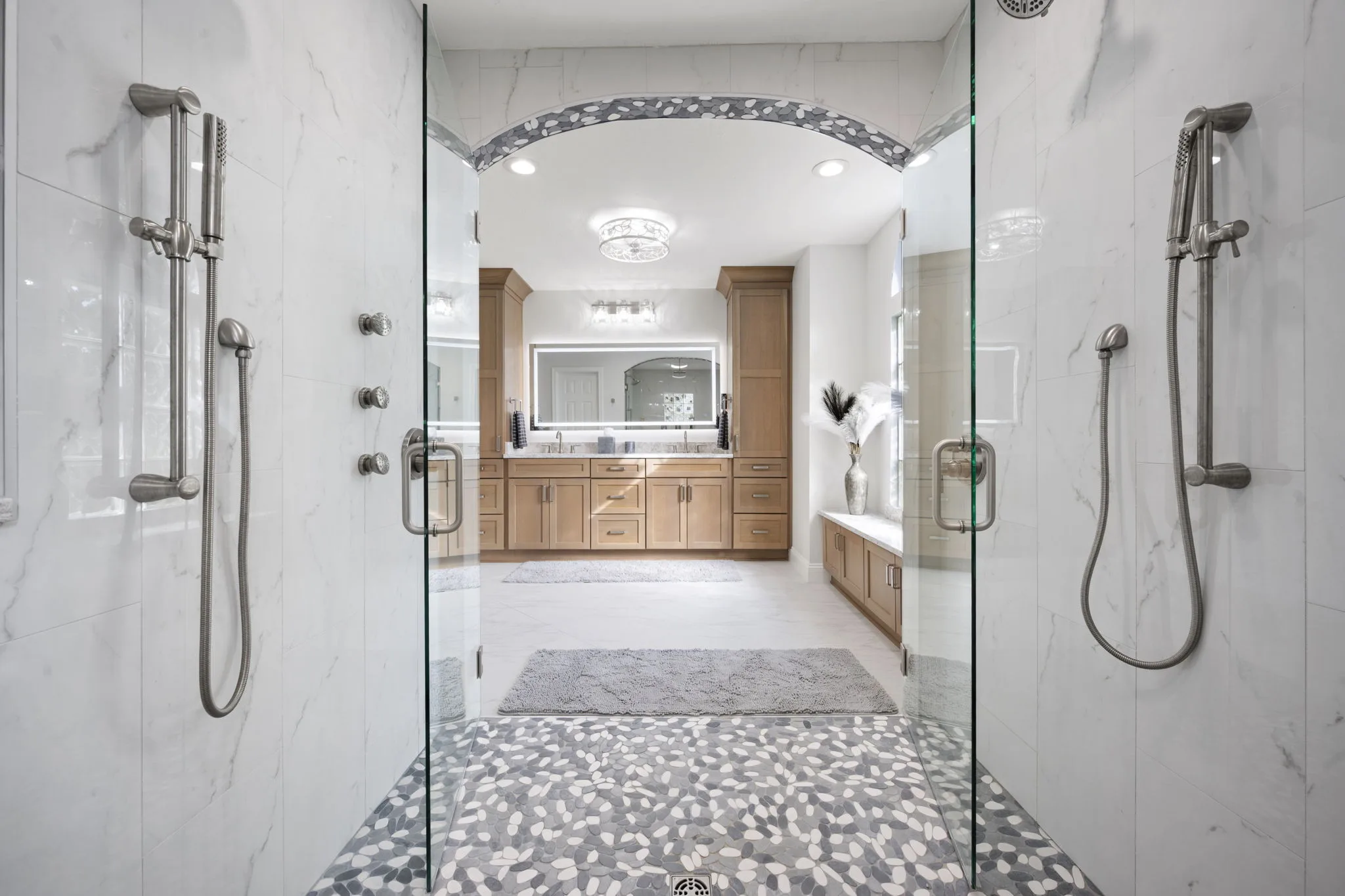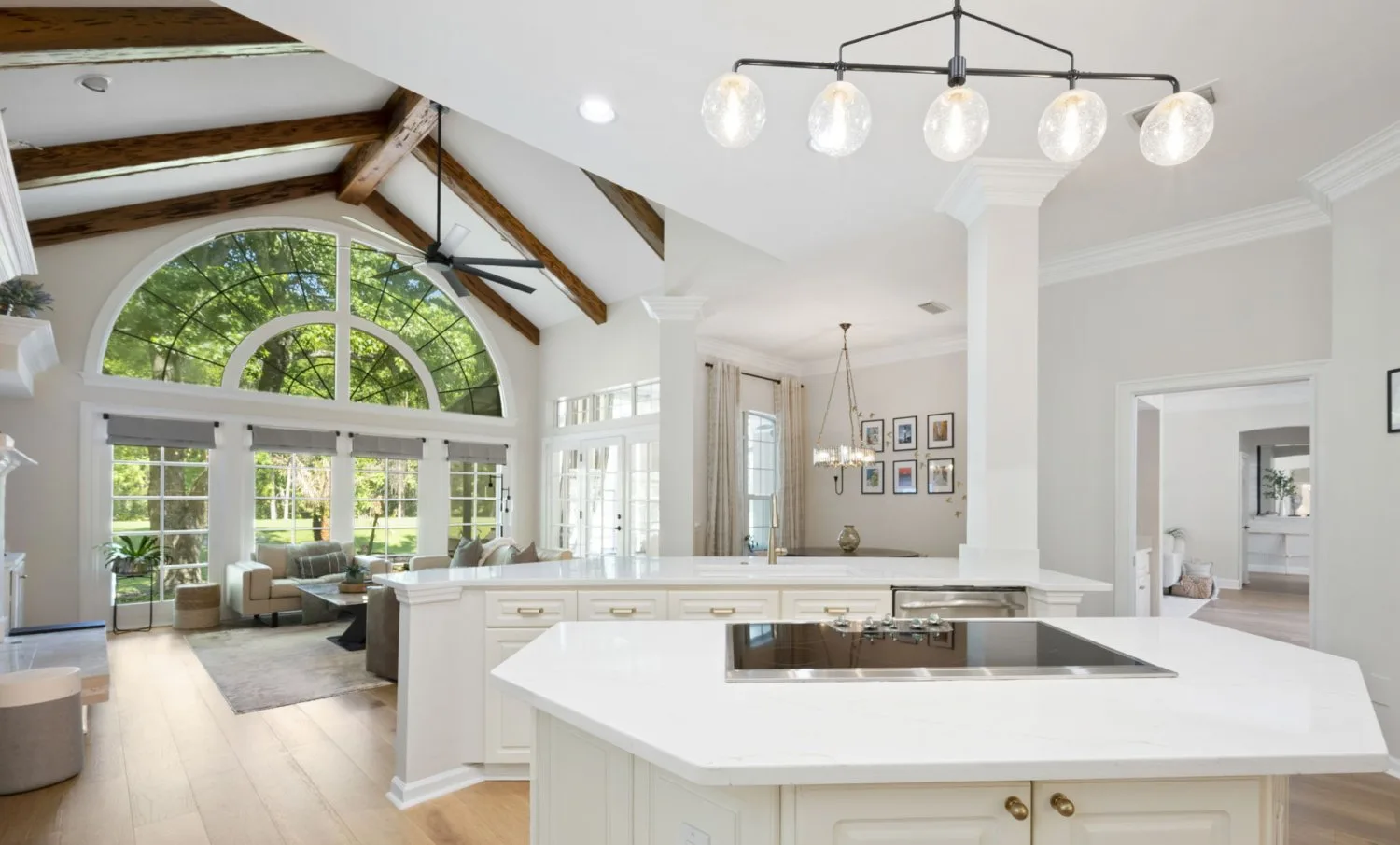
Countertops, crafted to last.
Quartz, granite, quartzite, marble and more, templated, fabricated and installed with your remodel.
Countertops in Jacksonville and Northeast Florida
Your countertop is the hardest-working surface in your home. We help you choose the right material, edge and layout for the way you live, then template, fabricate and install it as part of your kitchen or bathroom remodel, so the countertops, cabinets, sink and backsplash all come together seamlessly.
Countertop materials
Choosing the right surface.
Every countertop material has its own look, feel and care routine. Here is how they compare, with premium and exotic slabs from our stone and quartz partners, including Cambria, so you can choose with confidence. Tap any material to see more slabs.
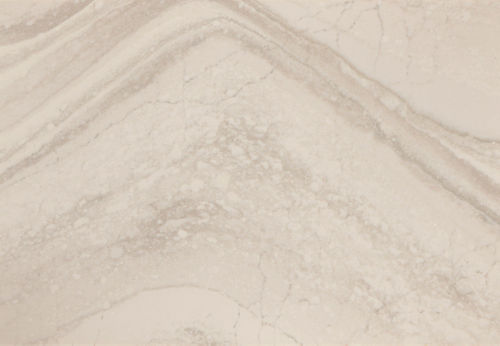

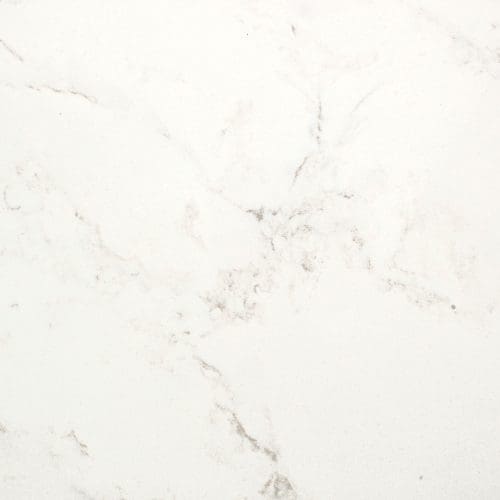
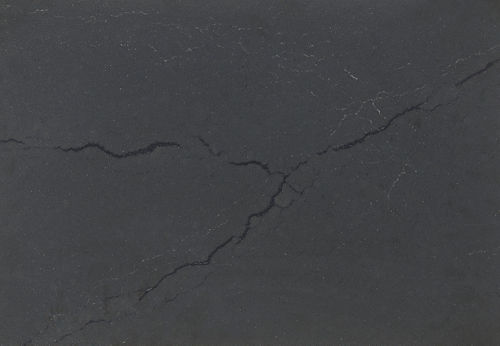

Quartz
An engineered surface made mostly of natural quartz bound with resin. Non-porous, so it never needs sealing and resists stains. Consistent color and pattern, including marble looks. Use trivets: high heat can damage the resin.
Low maintenance · Most popular
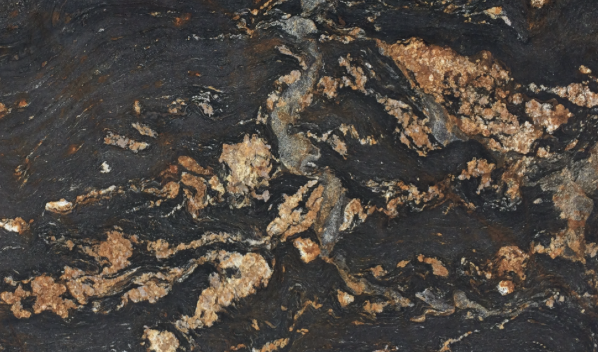
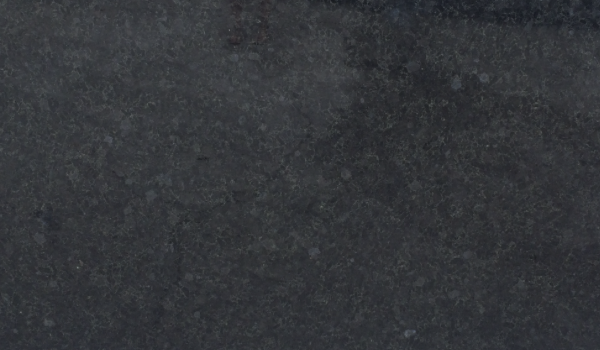
Granite
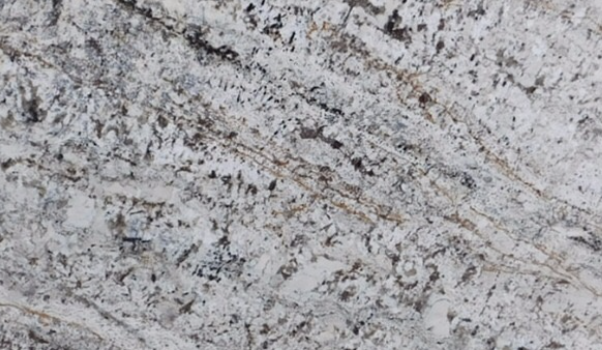
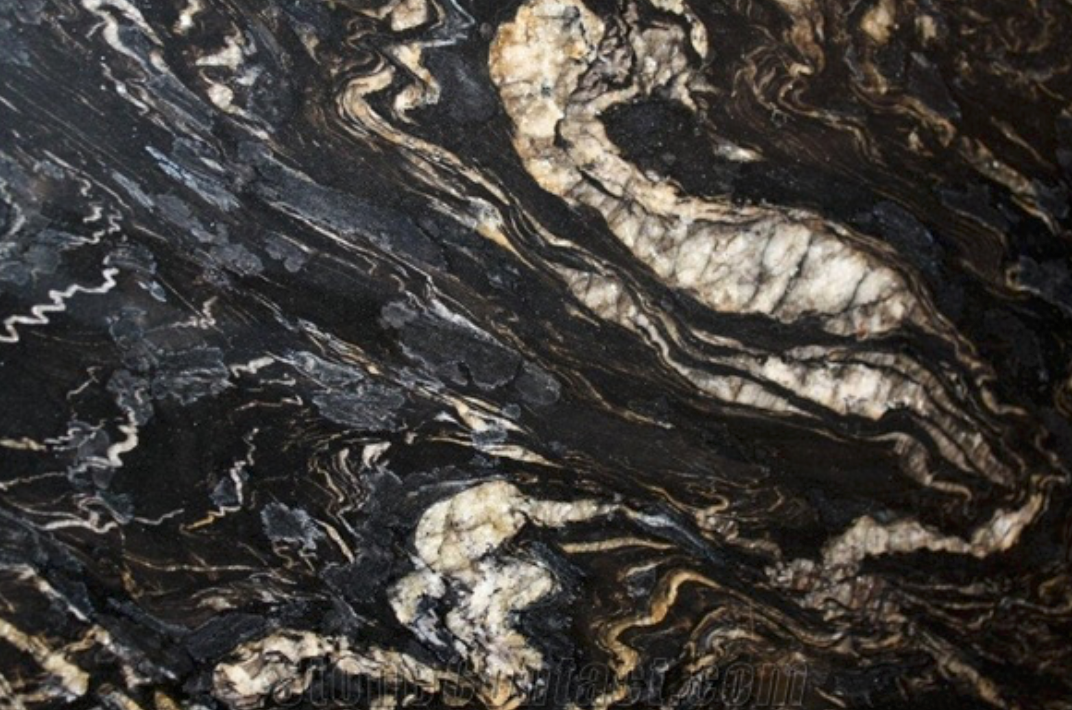
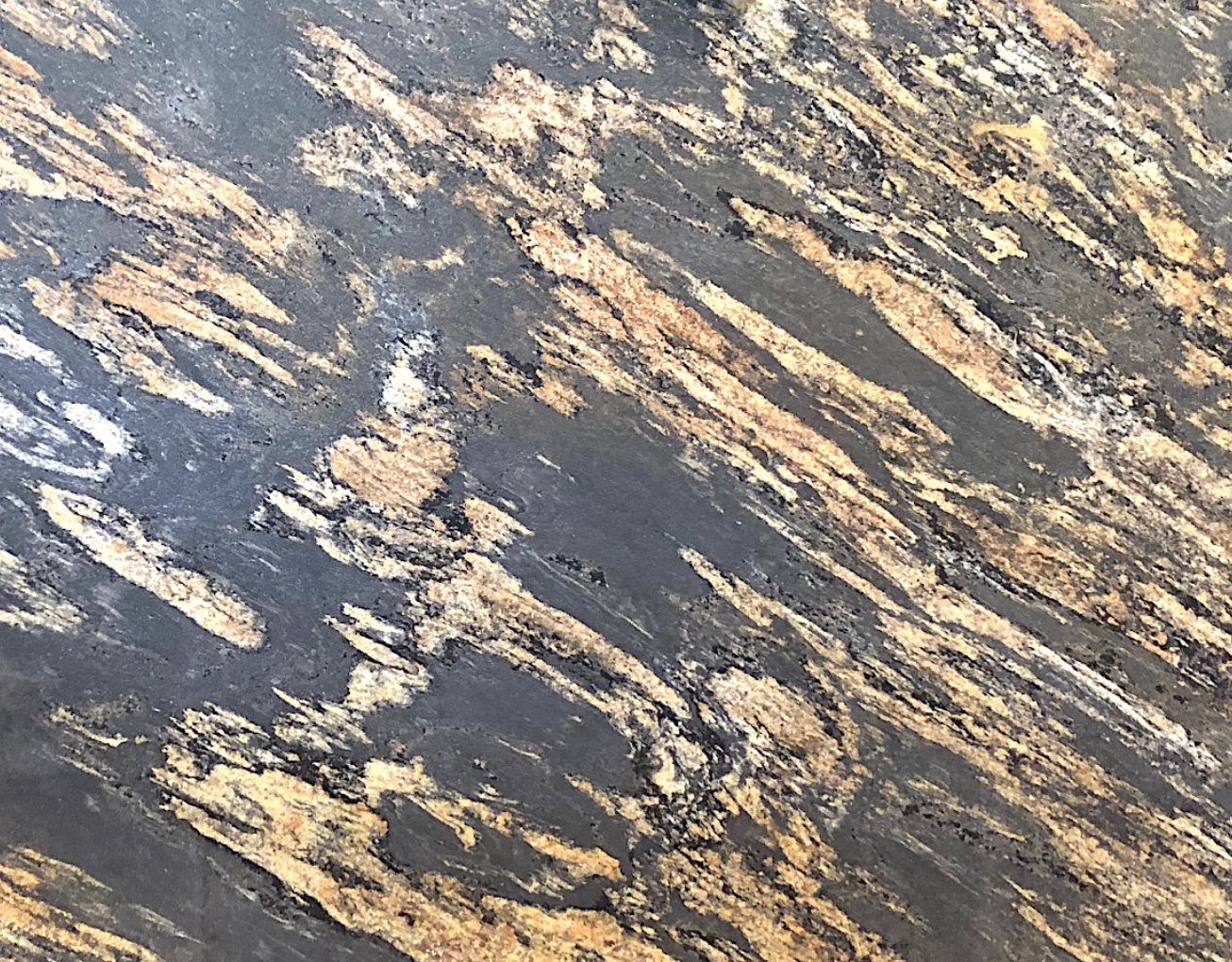
A natural stone that stands the test of time, with endless colors and one-of-a-kind patterns. Very durable and heat and scratch resistant. Natural stone needs a sealer, which we apply at installation.
Natural · Durable
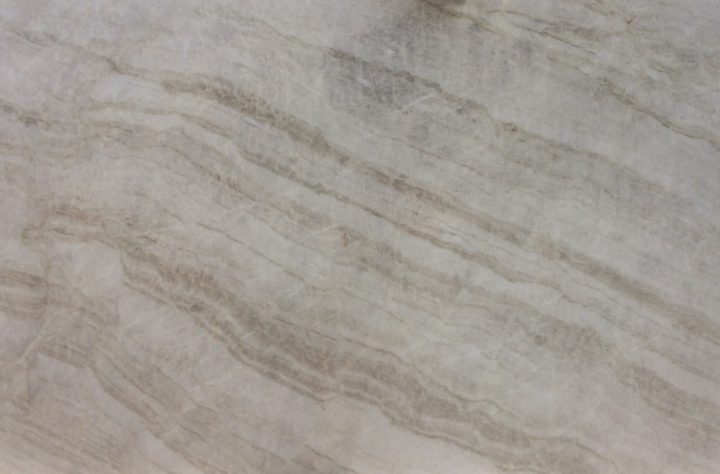
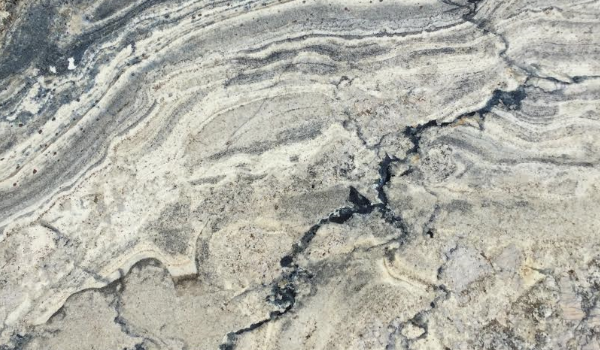
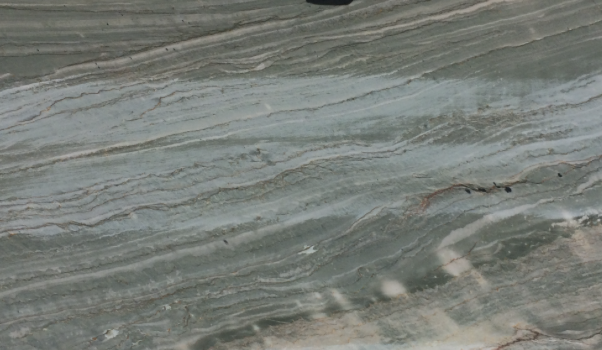
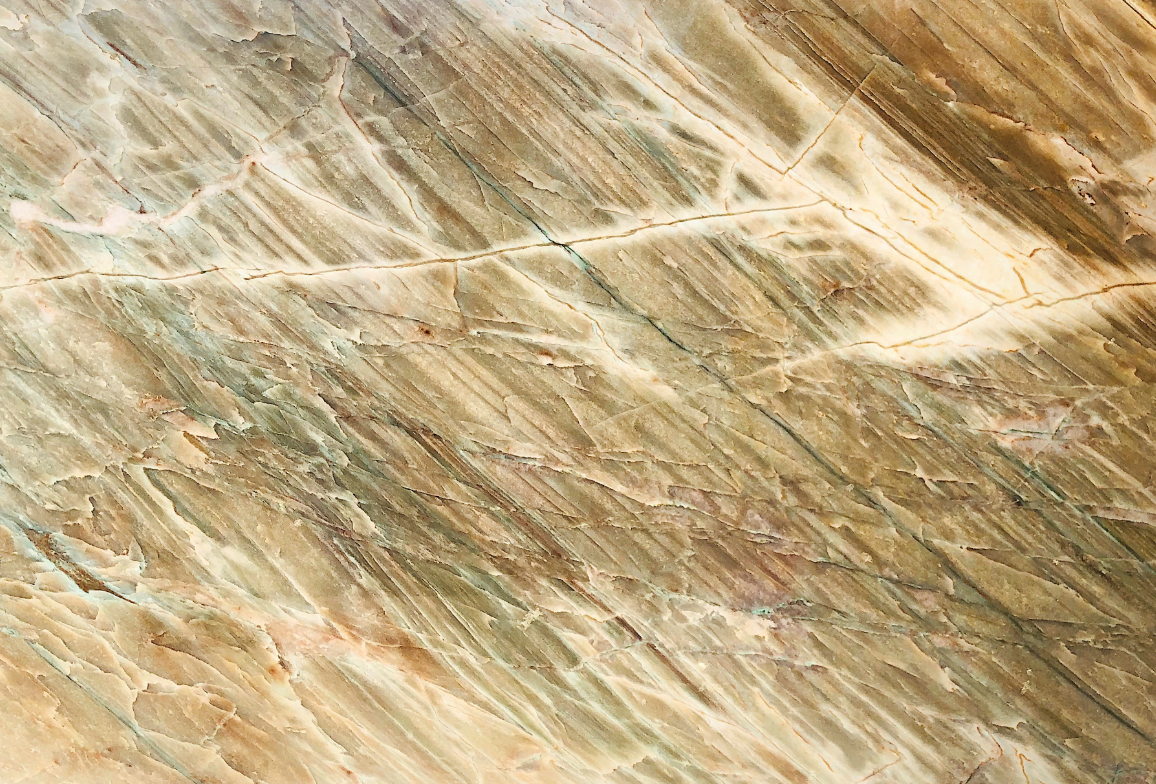
Quartzite
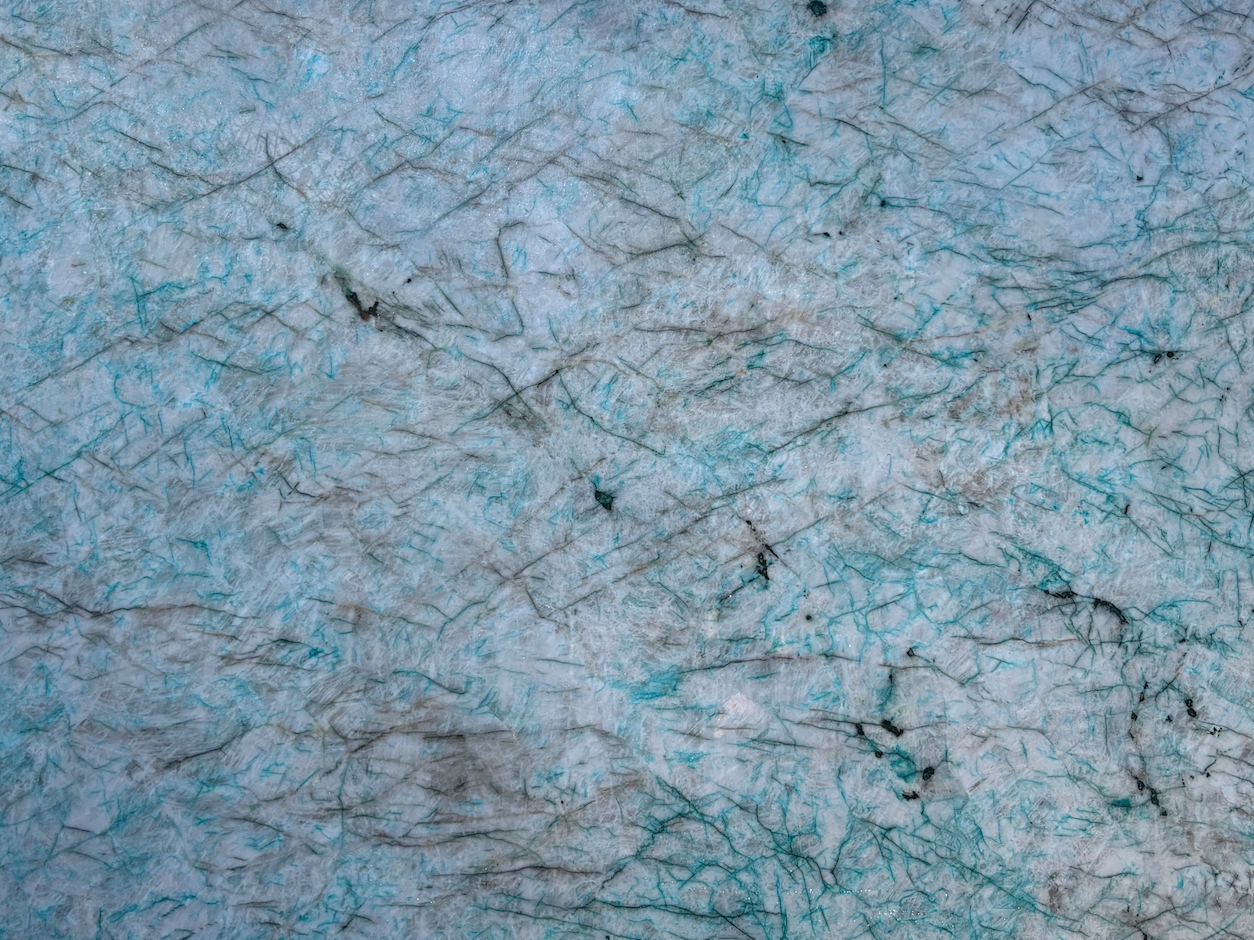
A very hard natural stone that often looks like marble, with soft veining and light backgrounds. Heat resistant and durable, and sealed like other natural stones.
Natural · Marble look
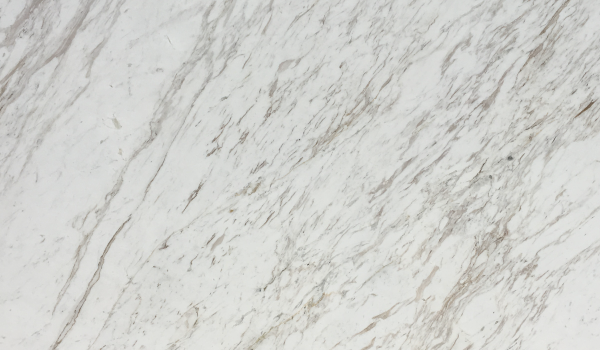
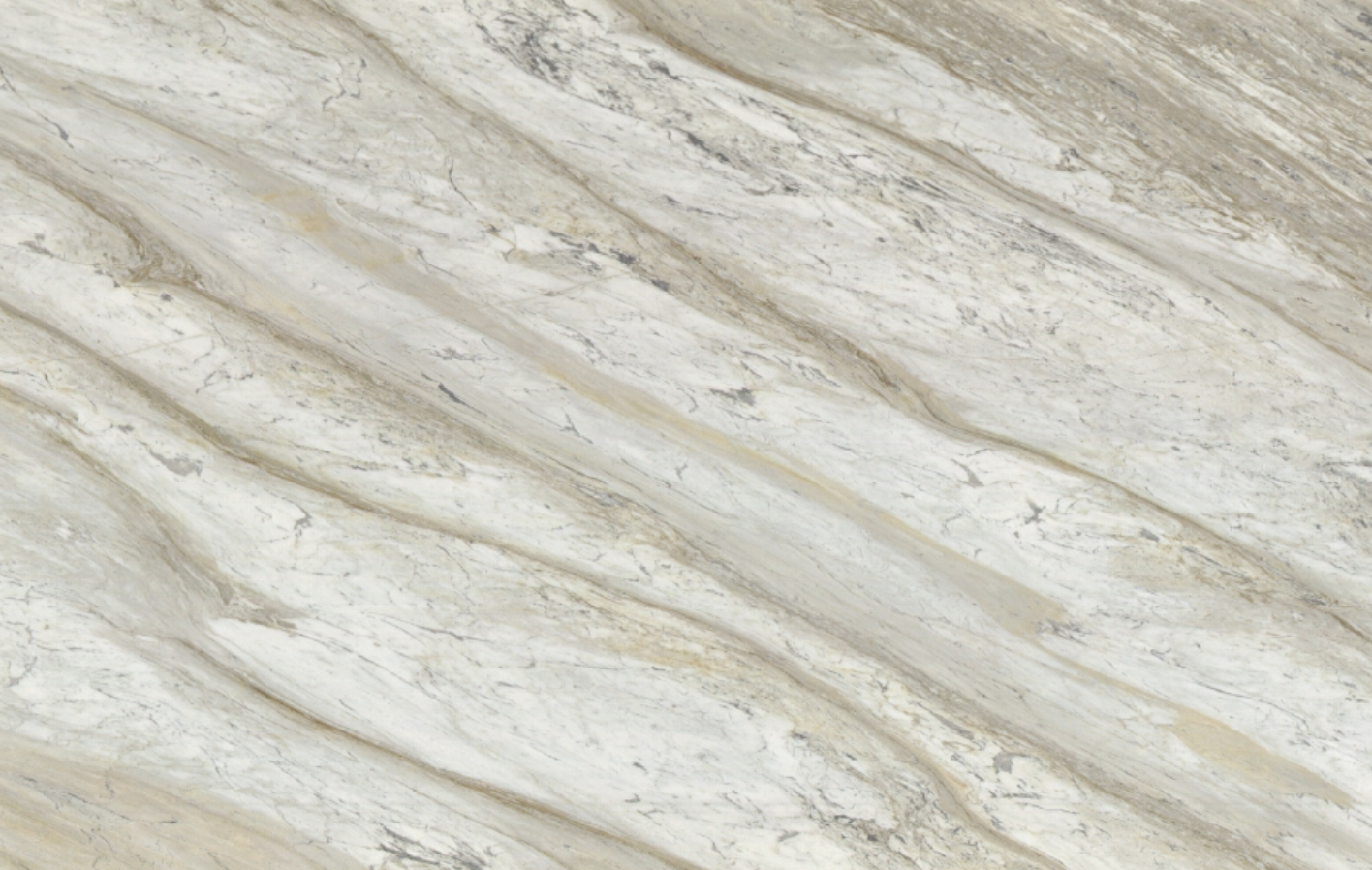
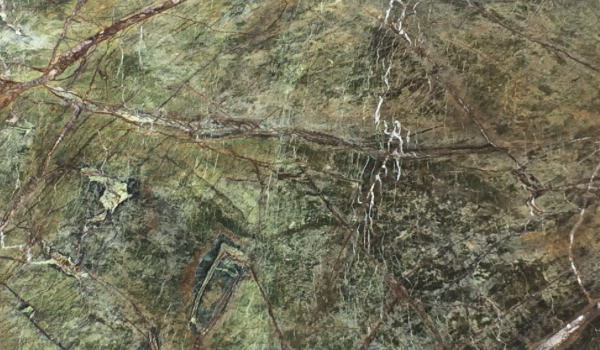
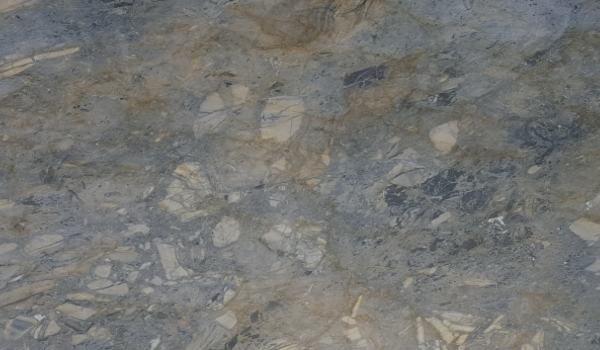
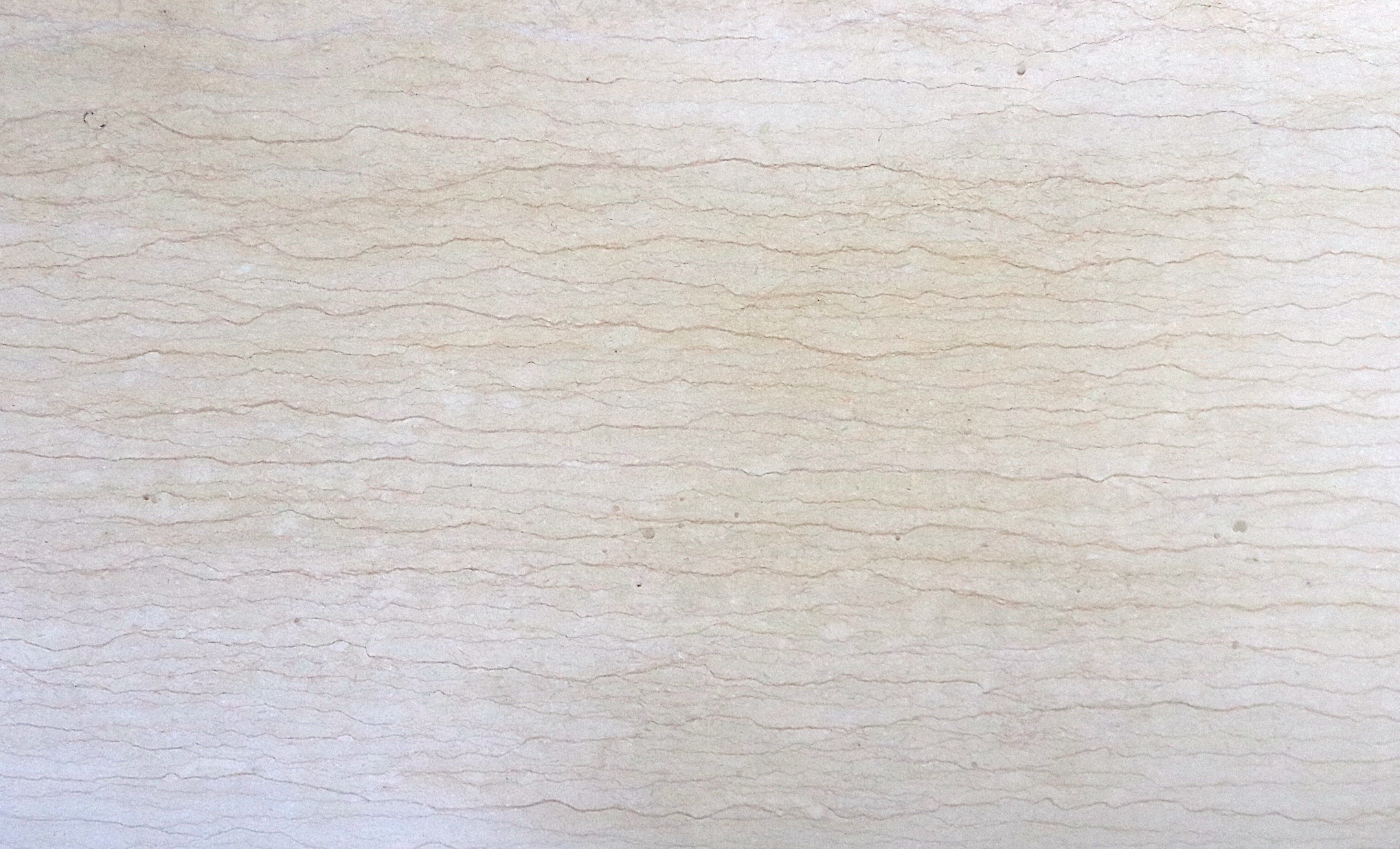
Marble
Timeless and elegant, but softer than granite. It can scratch and etch from acids like lemon juice or vinegar and develops a patina over time. Usually honed, with softened edges to resist chipping.
Natural · Classic
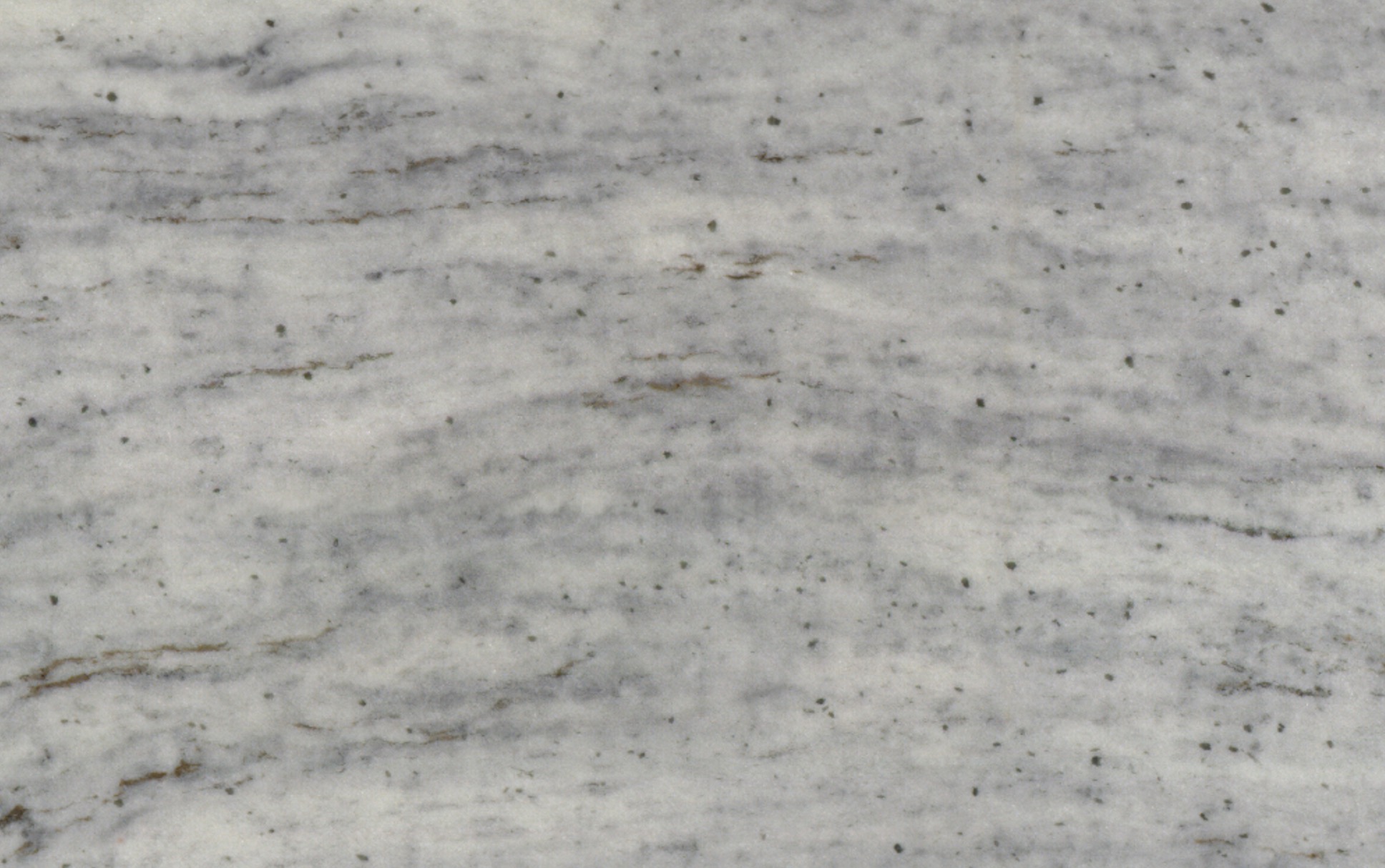
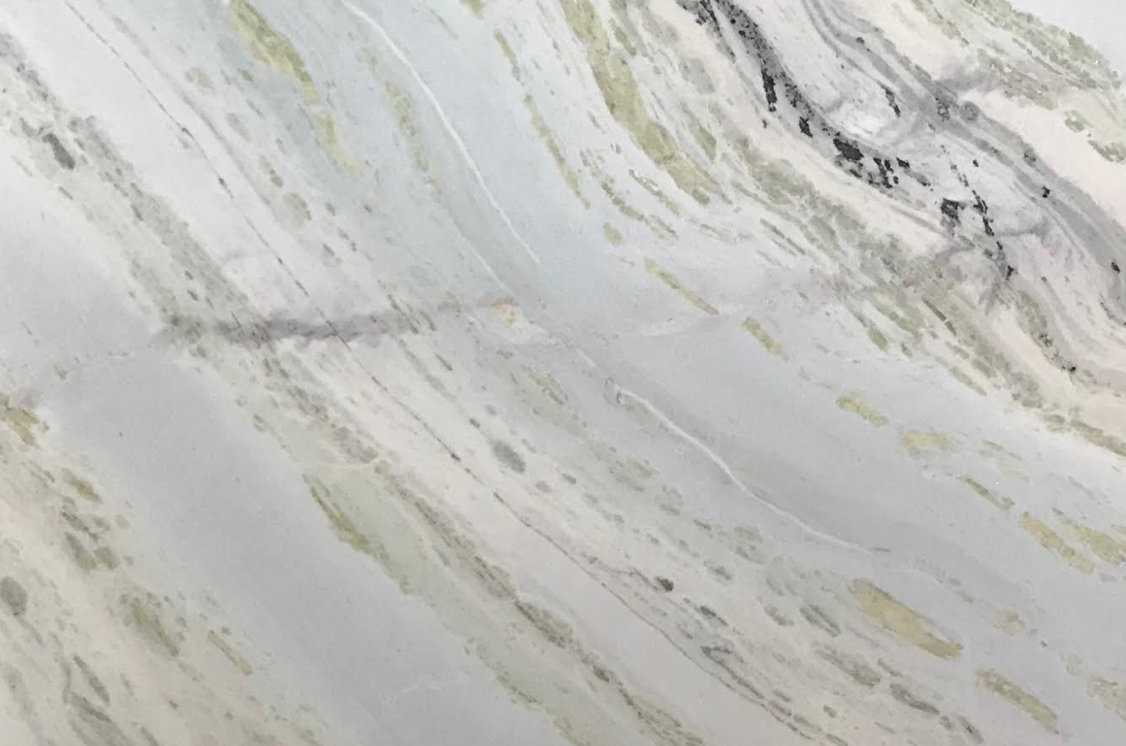
Dolomite
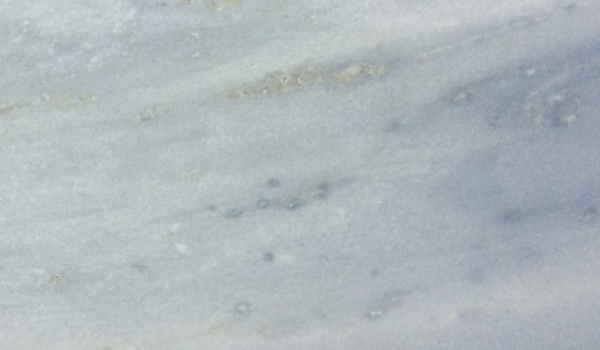
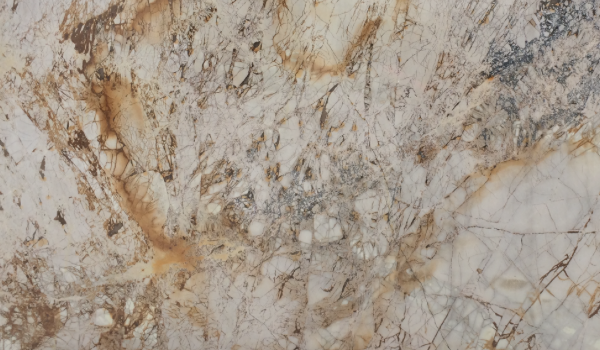
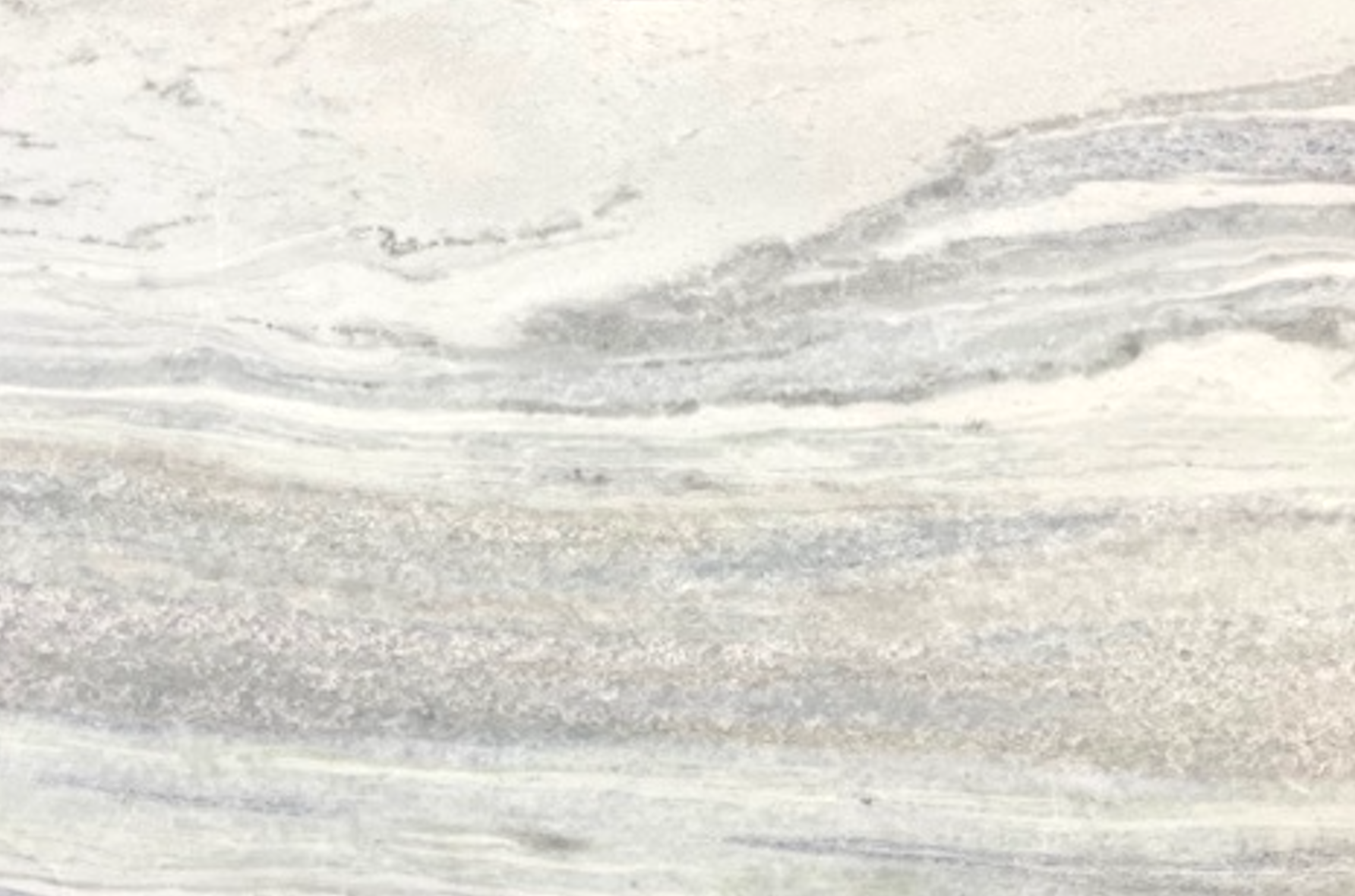
A natural stone similar to marble, slightly harder, with lots of character. Natural fissures are normal and add beauty. Porous, so it needs sealing and care with acidic cleaners.
Natural · Character
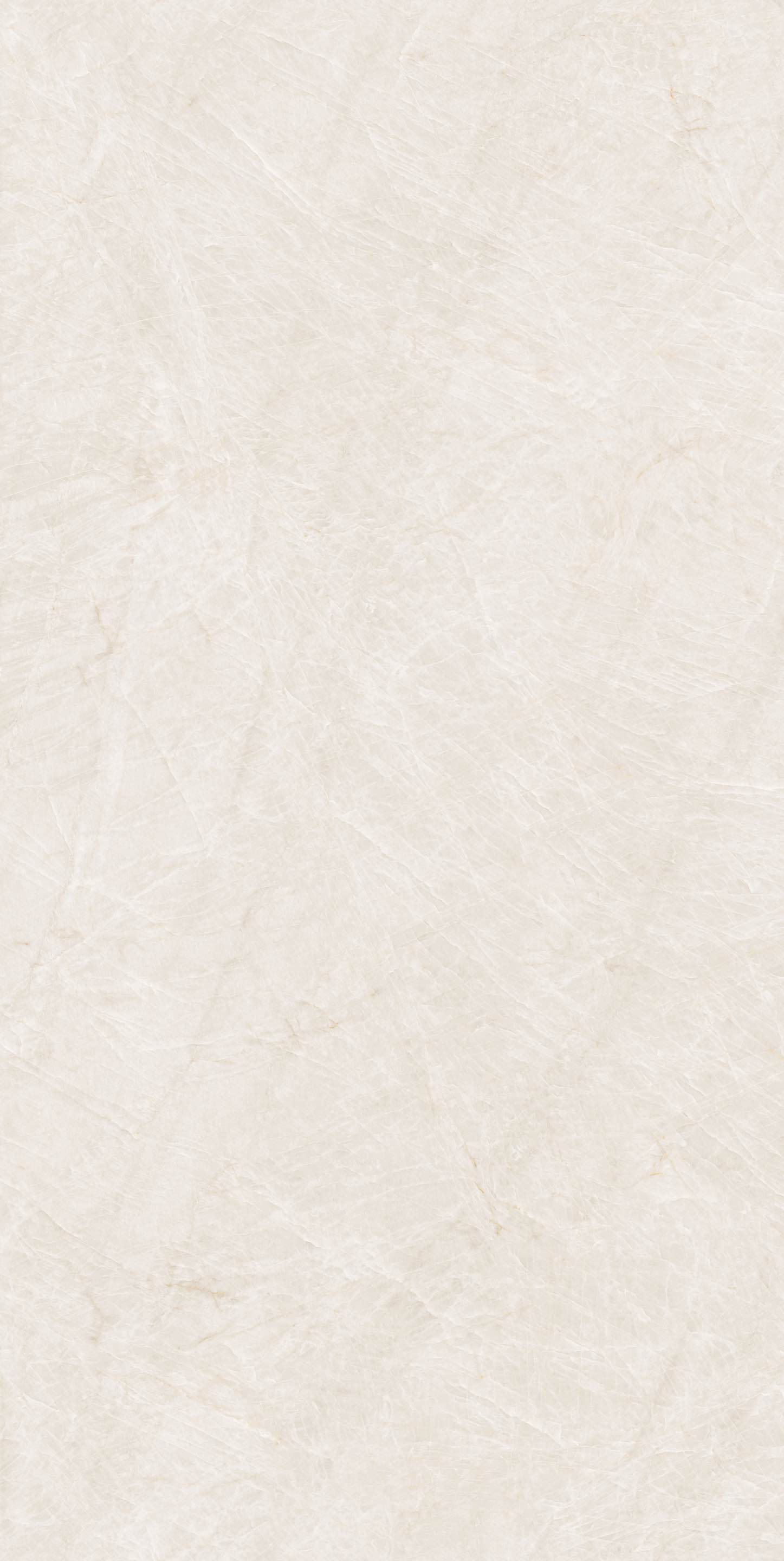
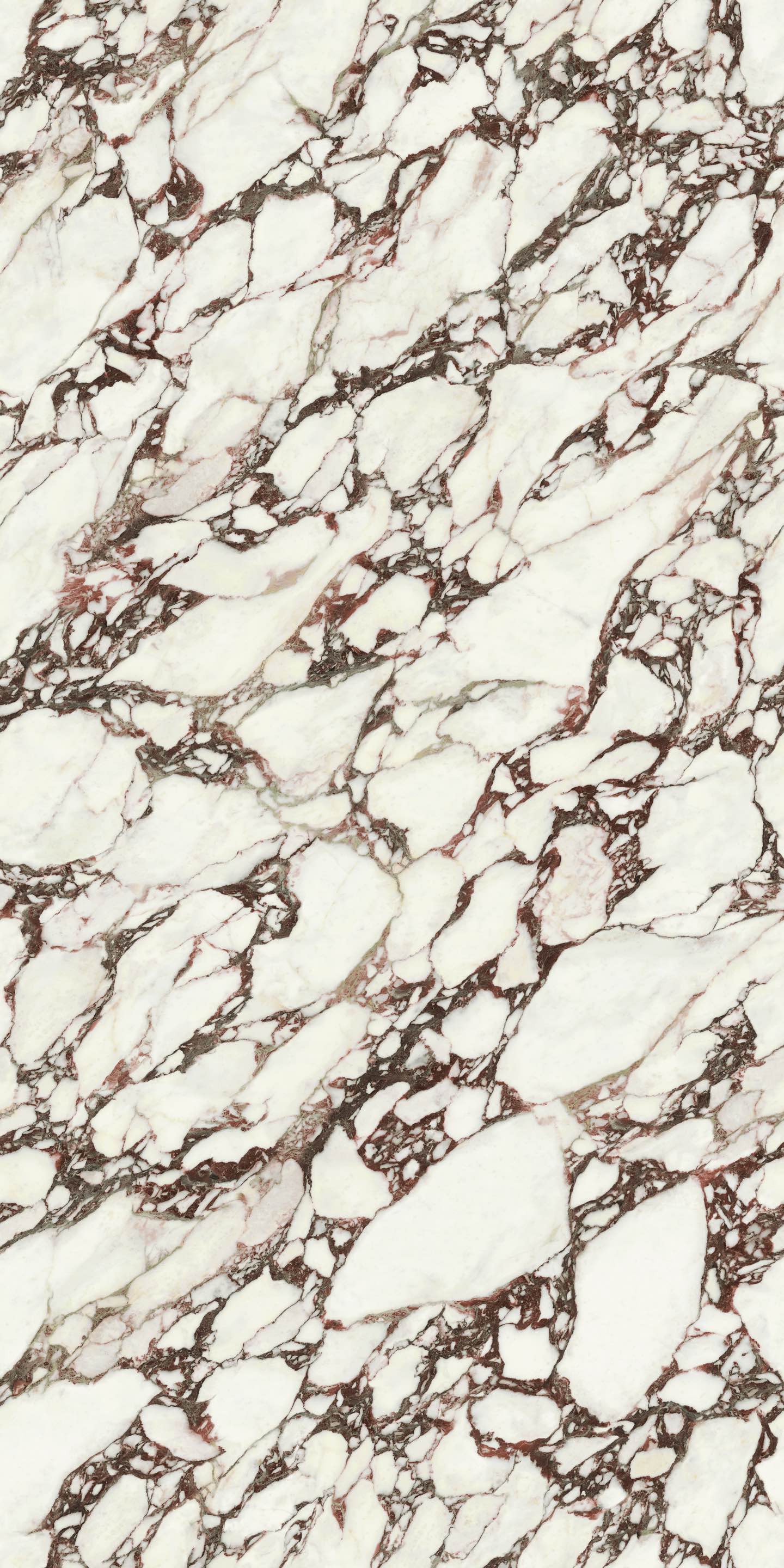
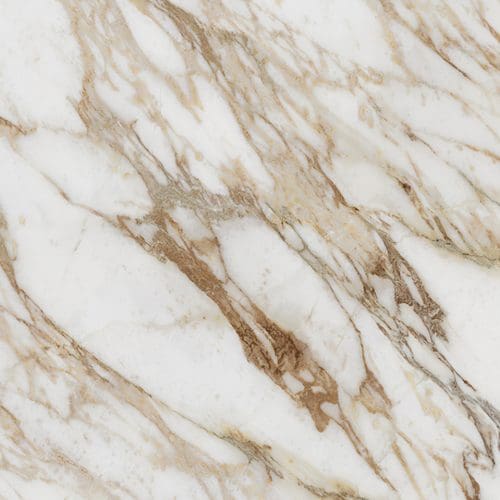
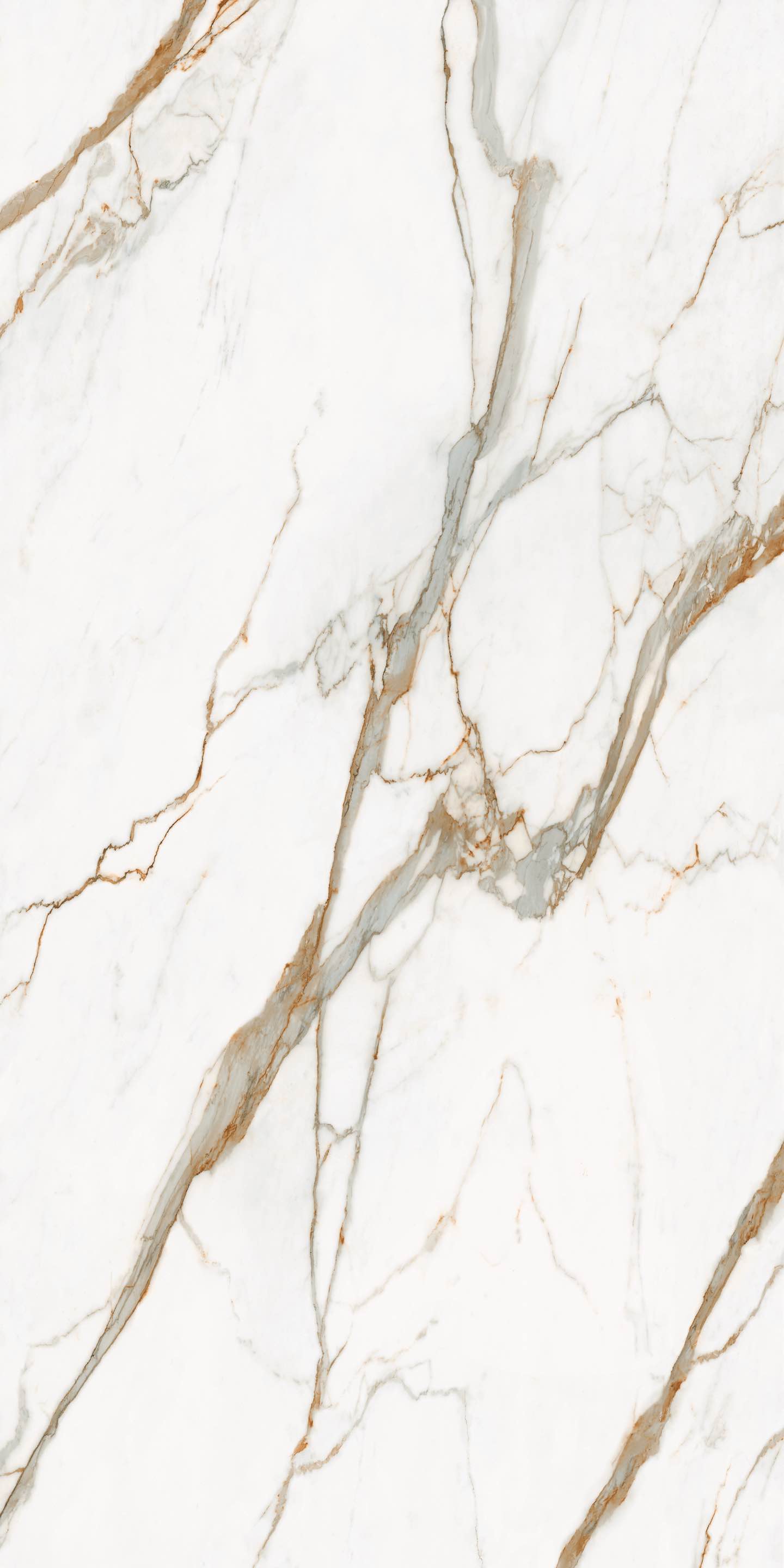

Porcelain and sintered stone
Large, thin slabs made at extreme heat. Highly resistant to heat, stains and UV, with very realistic stone and concrete looks. Edges need careful detailing to prevent chips.
Engineered · Heat resistant
At a glance
| Material | Heat | Stains | Sealing | Look |
|---|---|---|---|---|
| Quartz | Good (use trivets) | Excellent | None | Consistent |
| Granite | Excellent | Very good (sealed) | Periodic | Unique, speckled |
| Quartzite | Excellent | Very good (sealed) | Periodic | Unique, veined |
| Marble | Good | Fair, etches | Regular | Classic veining |
| Porcelain | Excellent | Excellent | None | Stone, concrete looks |
Edge profiles
The edge changes everything.
The edge profile is the shape of the countertop where it meets your hand. It affects the style, how it feels and how well it resists chips.
Eased
A square edge with slightly softened corners. Clean, modern and the most popular choice.
Beveled
A 45-degree cut along the top edge that catches the light and adds subtle detail.
Half bullnose
Rounded on top and square at the bottom. Soft to the touch and easy to clean.
Full bullnose
Fully rounded top and bottom. Classic, comfortable and kid friendly.
Ogee
A decorative S-shaped curve for a traditional, furniture-like look.
Mitered
Two pieces joined at 45 degrees to create a thick, solid-looking edge, and the start of a waterfall.
Layouts
Plan the counter around how you cook.
Your designer plans the layout, seams, overhangs and seating with your cabinetry, so it all fits together.
L-shaped
Two runs of countertop on adjoining walls. Open and flexible, and works in most kitchens.
U-shaped
Countertops on three walls for maximum prep space and storage.
Galley
Two parallel runs. Efficient and great for smaller spaces and serious cooks.
Island
A freestanding counter for prep, seating and storage, often in a contrasting material.
Peninsula
A counter that extends from the wall or cabinets to add seating without a full island.
Waterfall
The countertop continues down the sides of an island to the floor for a sleek, modern statement.
In our work
See it in a real home.
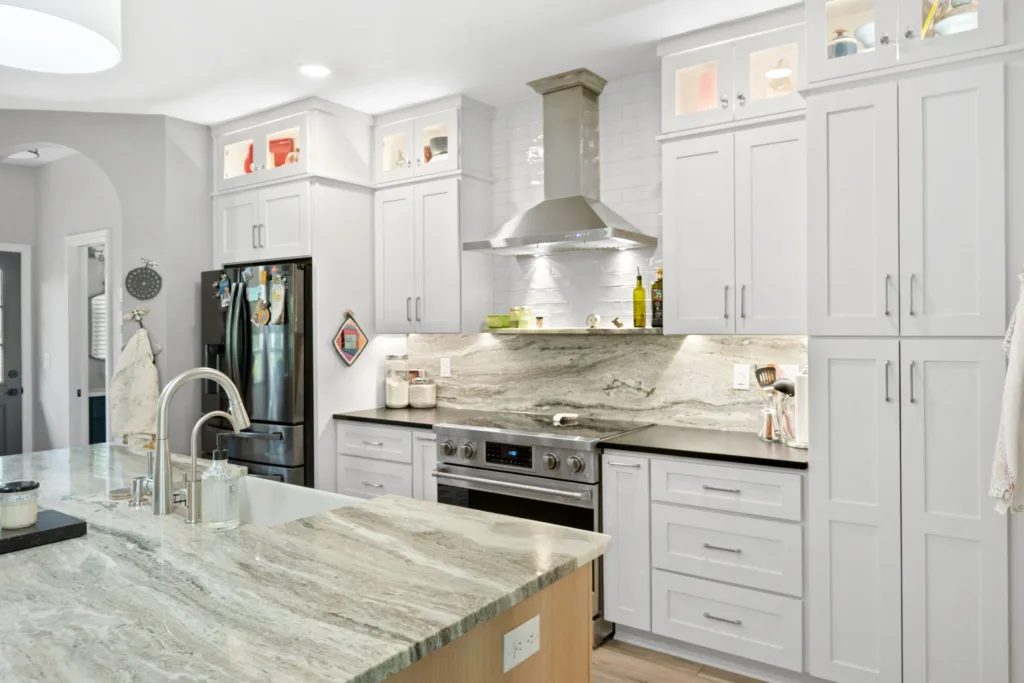
Veined island
A soft, veined stone island anchors an open kitchen.
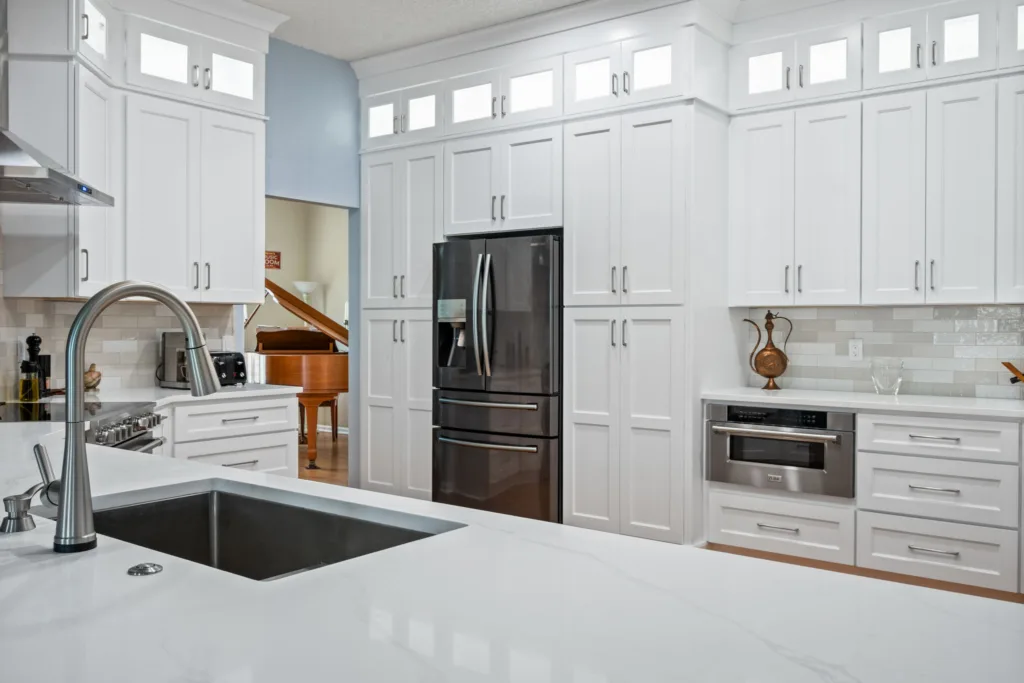
Bright white surfaces
Light countertops keep a modern white kitchen crisp and airy.

Striking veining
Make a statement with bold movement, carried up the backsplash.
Butcher block island
Warm wood on a charcoal island softens the room.
Fabrication and installation
From slab to kitchen.
01
Select your slab
We help you choose your material and color, and for natural stone, select the actual slabs your countertops will be cut from.
02
Template
Once your cabinets are installed, the countertops are precisely measured and templated, including sink, cooktop and seam locations.
03
Fabrication
Slabs are cut, edged and polished, with cutouts for sinks and cooktops. Seams are planned to be as discreet as possible.
04
Installation
Countertops are set, leveled and seamed, undermount sinks are attached and the plumbing is reconnected.
05
Seal and care
Natural stone is sealed, and we walk you through how to care for your new countertops so they look great for years.
Caring for natural stone
Clean with a few drops of mild dish soap and warm water on a soft cloth. Avoid harsh solvents and cleaners containing vinegar, lemon juice or ammonia, which can wear down the sealer. Over-applying sealer or using polishes and waxes can leave a haze.
Questions
A few things worth knowing.
What is the most durable countertop material?
Quartz, granite, quartzite and porcelain are all very durable. Quartz is the lowest maintenance because it never needs sealing, while granite and quartzite offer excellent heat resistance and one-of-a-kind natural patterns.
Do natural stone countertops need to be sealed?
Yes. Granite, quartzite, marble and dolomite are naturally porous, so we seal them at installation. Resealing periodically keeps them protected. Quartz and porcelain do not need sealing.
What is the difference between quartz and quartzite?
Quartz is an engineered surface made mostly of crushed quartz and resin. Quartzite is a natural stone formed from sandstone under heat and pressure. Quartzite is more heat resistant, while quartz is non-porous and never needs sealing.
Can I pick out my own slab?
Yes. For natural stone, we help you choose the actual slabs your countertops will be cut from, so there are no surprises on installation day.
Which edge profile should I choose?
An eased edge is the most popular for a clean, modern look. Rounded profiles like half bullnose are softer and more chip resistant, while ogee and mitered edges add a more traditional or substantial look.
When are countertops installed during a remodel?
Countertops are templated after the cabinets are installed, then fabricated and installed. Once all scopes for your project are confirmed, your designer or project manager will walk you through your schedule.
Do you install butcher block or solid surface countertops?
Yes. Most of our clients choose natural stone, quartz or porcelain, but we also install butcher block, often on an island or a baking station to warm up a stone kitchen, and solid surface (such as Corian) where a seamless, repairable top with an integrated sink makes sense. Your designer can show you samples and explain the care each one needs.
What areas do you serve?
Jacksonville, Ponte Vedra Beach, St. Augustine, Nocatee, Fruit Cove, Orange Park, Middleburg, Oakleaf Plantation, Fleming Island, Atlantic Beach, Neptune Beach and Jacksonville Beach, plus Duval, St. Johns, Clay and Nassau counties.